Verse or chorus groove
Full drum and bass parts usually keep a clearer pulse than sparse intros or long outro fades. Starting in a steady groove helps you hear the beat without guessing.
Music tools & song search
Use a steady passage to count a song’s BPM for practice, dance or mixing. Tap the main pulse for 30 seconds and multiply the count by two, then check whether a half-time or double-time reading fits the groove.
Choose a recording to listen toChoose a clear recording with a steady musical passage.
Picking a steady section before you try a BPM check saves time when intros, breakdowns, or ambient fades hide the pulse. A clear groove makes it easier to hear where the main beat sits.
Full drum and bass parts usually keep a clearer pulse than sparse intros or long outro fades. Starting in a steady groove helps you hear the beat without guessing.
A steady kick and snare pattern gives a clearer reference than a drifting synth pad or solo vocal. You can spot irregular hits before counting beats per minute.
Starting near a phrase start avoids sudden silence or crowd noise at the edge of the sound. Clean boundaries keep your tempo check focused on the music.
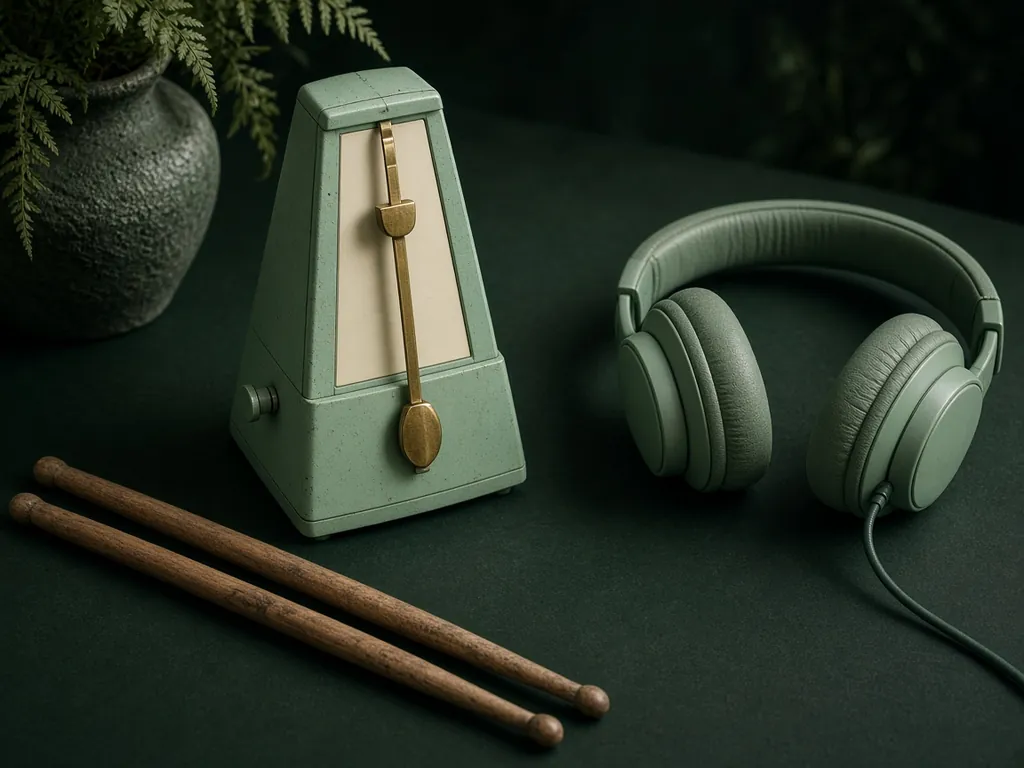
Pick a steady musical passage before comparing beat counts. The goal is a useful tempo for the way you plan to practice, dance or mix.
Cut out long silence, talk-overs, or unrelated intros in an audio editor before you start. A short, focused clip is easier to judge than a full mix with dead air.
Choose a section where the main rhythm stays consistent for several bars. Avoid parts with sudden stops or heavy crowd noise if you want a clear beat count.
Select your audio file and play a passage with a steady beat. Count the pulse you would clap or tap along to, rather than every drum hit or fast hi-hat note.
Count the main beats for 30 seconds and multiply by two. For example, 60 beats in 30 seconds is 120 BPM. Repeat on another steady section, then check whether half or double that count fits the groove.
Two tempo numbers often look right because a beat grid can be read at half or double speed. Checking how the snare or main pulse lands helps you pick the speed that matches your task.
If the snare hits once per bar while hi-hats move fast, you may hear half-time feel. Check whether your mix or routine needs the slower pulse or double the count.
Rapid eighth-note or sixteenth-note patterns can trick you into counting double-time. Listen for the broader bar pulse so you do not double the tempo by mistake.
Some tracks shift from half-time to double-time between sections. Mark the exact section where the feel changes instead of forcing one number across the whole song.
Different listeners use tempo information for different practical goals. Matching the beat count to your task keeps transitions, choreography, and practice sessions steady.
DJs check song tempo before mixing two songs so beat grids line up cleanly in a transition. Comparing candidate tracks early avoids sudden speed jumps on the dance floor.
Choreographers and dancers use beats per minute to match counts to movement phrasing. Finding a steady section makes it easier to rehearse counts at a consistent speed.
Musicians use tempo checks to set practice speed for tricky riffs, drum loops, or scales. Starting at a comfortable beat count helps build even timing before speeding up.
Beats per minute measure how often a steady pulse occurs in one minute, which is only one part of how a song feels. Knowing what BPM covers helps you read tempo numbers accurately.
Not every song stays locked to one metronome speed from start to finish. Live recordings, tempo ramps, and rubato sections can shift the beat rate mid-track.
Live bands and acoustic recordings often speed up or slow down slightly across a song. Listen across multiple sections rather than trusting a single count from the opening bar.
A song can gradually speed up or slow down during builds, endings, or transitions. Note where the tempo shifts so your cue or practice loop does not drift out of sync.
Free-time intros or ambient openings without a steady pulse do not give a clean BPM. Start your check once a regular beat enters.
Frequently asked questions
A listener or tool can lock onto half-time or double-time subdivisions of the same pulse. Checking how the main beat and snare land helps you see whether a number is half or twice the intended speed.
Yes. A song can speed up, slow down, or shift feel between sections, especially in live performances, expressive passages, or tempo transitions.
If you need a title or artist, start with the audio song finder rather than a BPM check. Tempo describes the pulse of the recording; it does not tell you who made the song.
Choose a passage with a steady pulse and little silence. Tap along to the main beat, then compare half-time and double-time counts if the feel is unclear.
If you need a different task after preparing your audio clip, use these related tools on the site. Each link goes to another workflow page rather than repeating this page.